Artificial intelligence is no longer a curiosity—it’s an execution layer.
Yet most B2B leaders are stuck in a dangerous middle:
aware of AI, but unclear on where it creates real leverage.
The result?
Overinvestment in hype
Underinvestment in actual use cases
Teams experimenting, but not compounding value
This isn’t a tooling problem. It’s a clarity problem.
Let’s fix that.
The Core Misunderstanding
Most companies approach AI like this:
“Where can we use AI?”
That’s the wrong question.
The correct framing is:
“Where are we currently wasting human intelligence on predictable work?”
AI doesn’t create magic.
It compresses time, reduces cognitive load, and scales decision-making.
Myth vs Reality (The Brutal Version)
Myth 1: “AI is expensive and only for big companies”
Reality: AI is now a cost reducer, not a cost center
With APIs and SaaS tools:
You don’t need ML teams
You don’t need infrastructure
You don’t need months of setup
You need:
A clear use case
Clean enough data
A workflow to plug into
What changed?
Models are commoditized
Distribution is API-first
Value is in application, not invention
Myth 2: “AI replaces people”
Reality: AI replaces bad allocation of people
AI removes:
Repetition
Manual synthesis
Low-leverage decisions
It amplifies:
Judgment
Creativity
Strategy
If your team fears AI, it usually means:
Their work is too operational, not strategic.
That’s a management problem—not a technology one.
Myth 3: “AI is a silver bullet”
Reality: AI is a multiplier—of whatever already exists
Bad inputs → worse outputs, faster
Clear systems → exponential leverage
AI works best when:
The problem is well-defined
The workflow is repeatable
The success metric is measurable
If those don’t exist, AI will expose the chaos—not fix it.
Where AI Actually Creates Value in B2B
Forget “AI transformation.”
Focus on high-leverage insertion points.
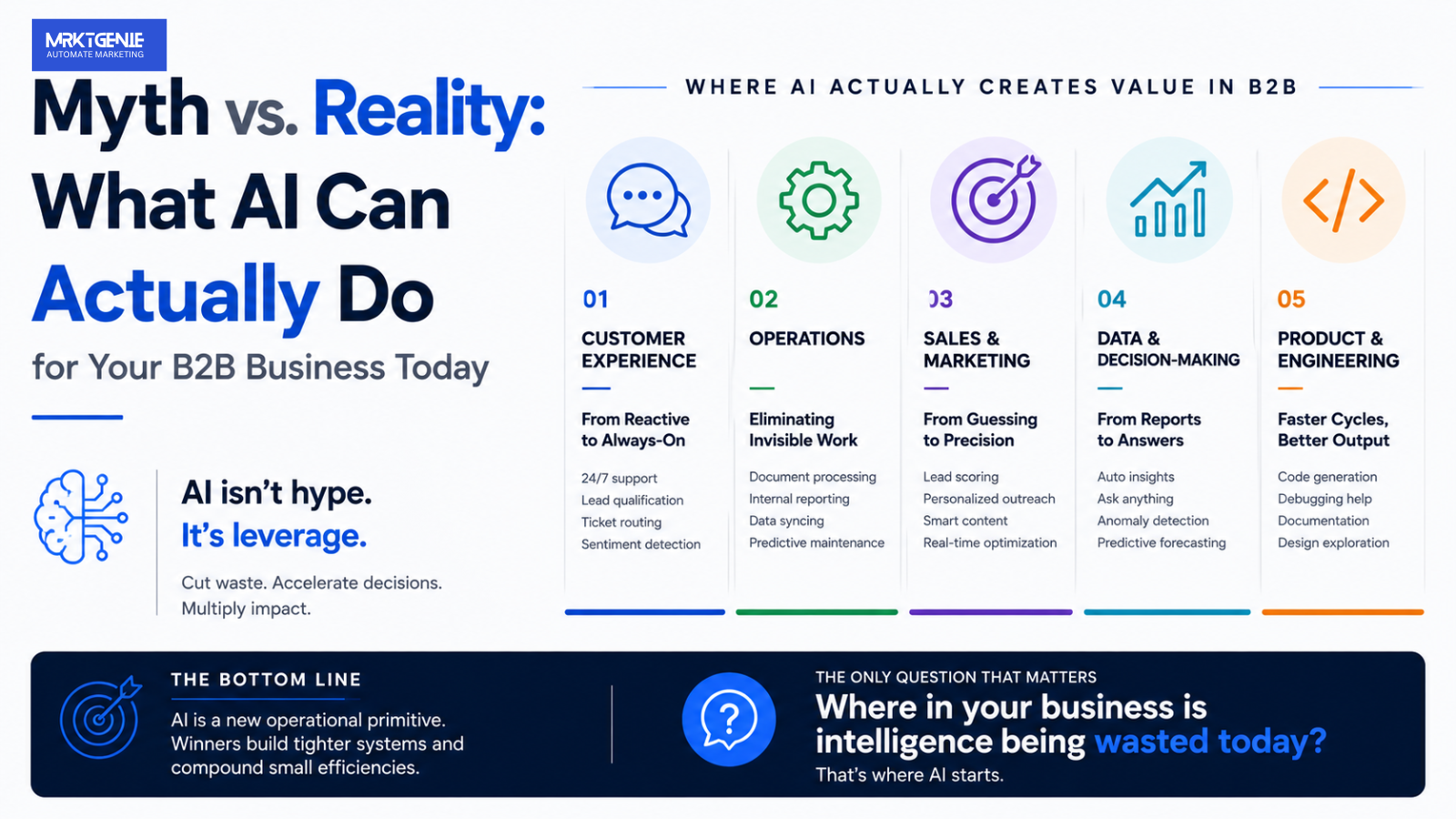
1. Customer Experience → From Reactive to Always-On
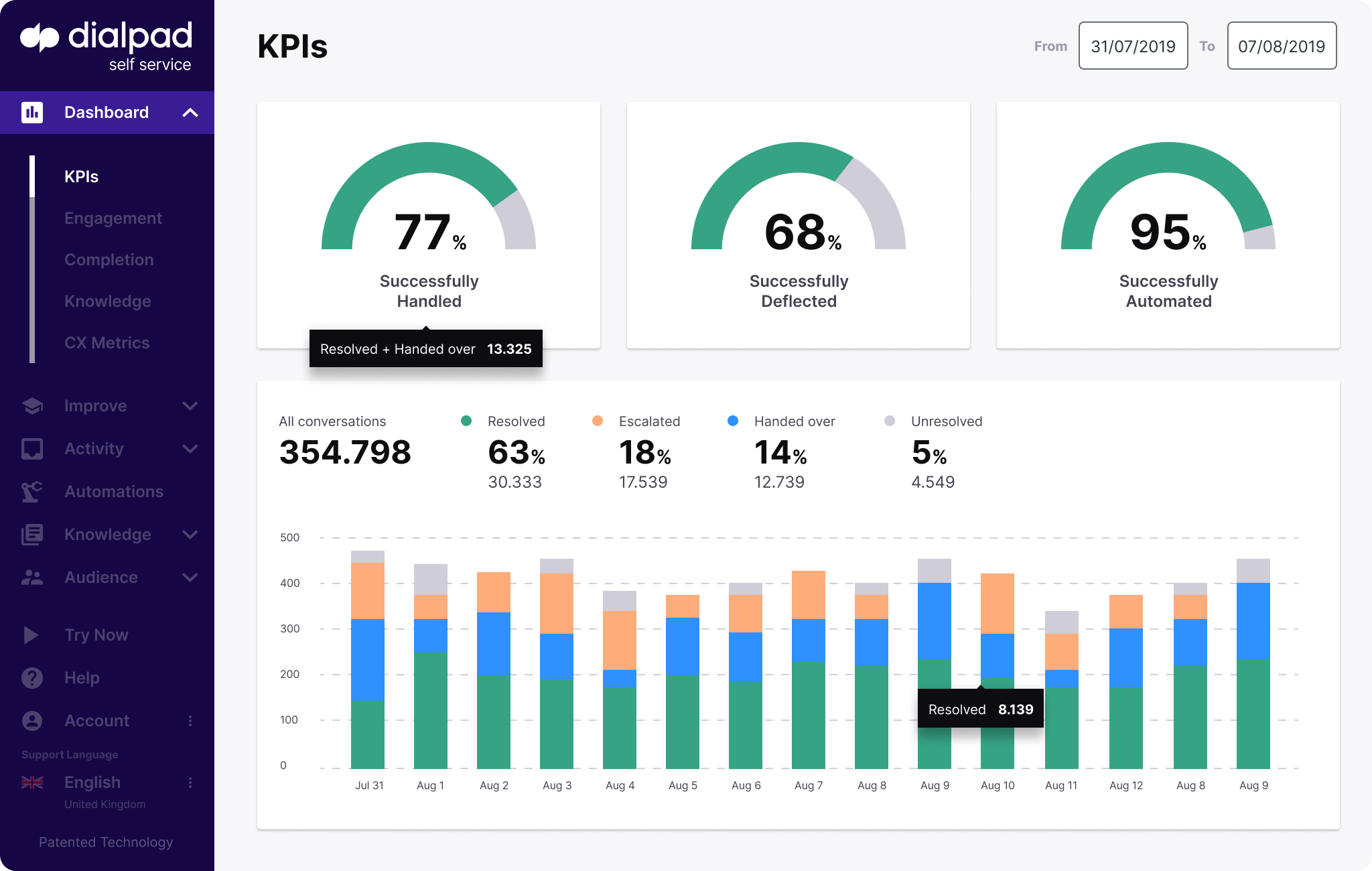

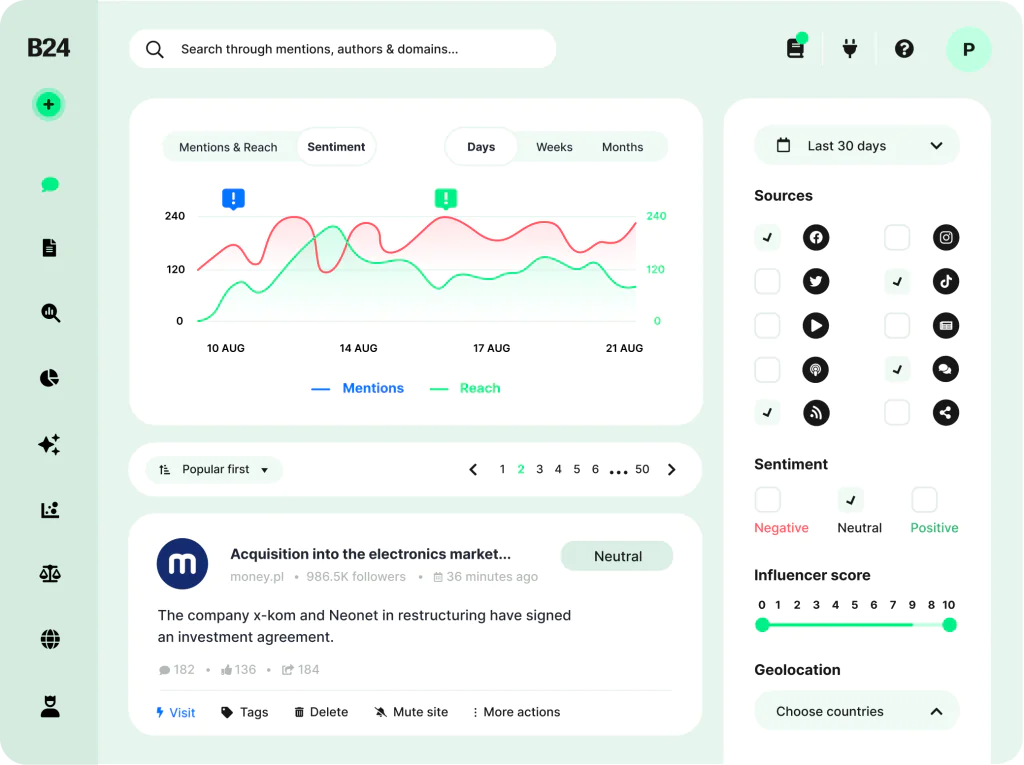
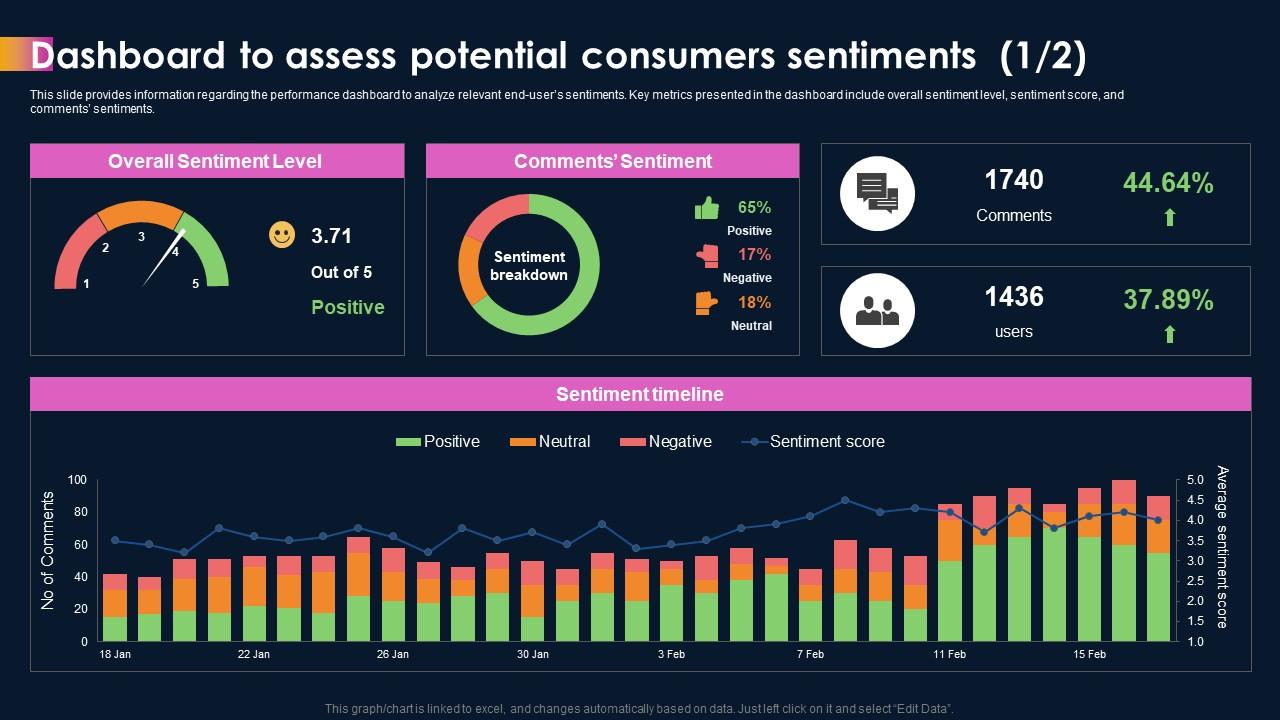
What’s happening
Support and CX are becoming partially autonomous systems.
Practical wins
24/7 first-line support
Instant lead qualification
Automatic ticket routing
Real-time sentiment detection
Tools that actually work
Zendesk AI
Intercom
Dialogflow
Strategic shift
Support is no longer a cost center—it becomes a conversion layer.
2. Operations → Eliminating Invisible Work


What’s happening
Operational work is being decomposed into:
Rules (RPA)
Judgments (AI)
High-impact use cases
Invoice + document processing
Internal reporting
Data syncing across tools
Predictive maintenance
Tools
UiPath
Automation Anywhere
Strategic shift
Ops teams move from execution → system design
3. Sales & Marketing → From Guessing to Precision
What’s happening
AI is collapsing the gap between:
Data → Insight → Action
Real applications
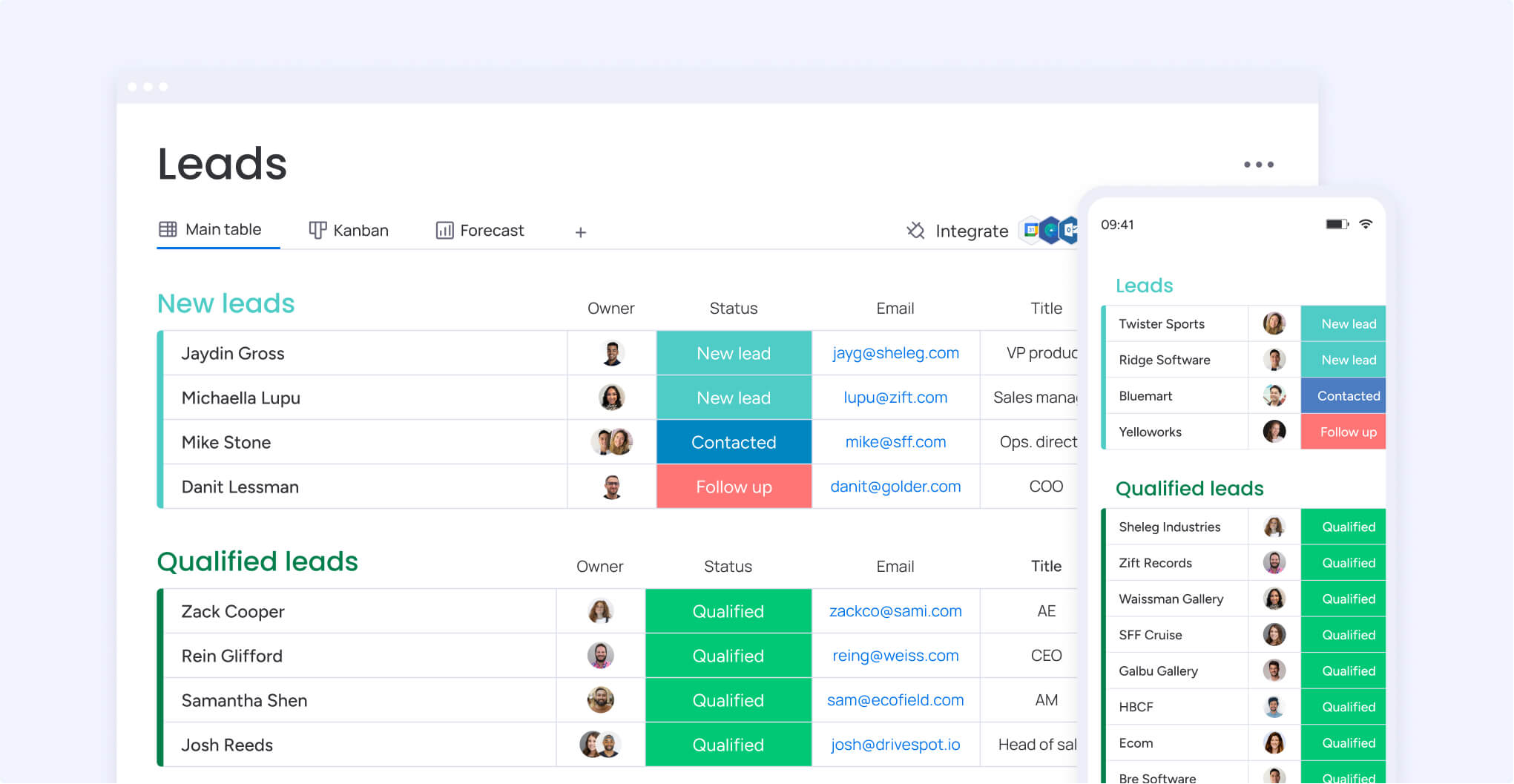
Lead scoring that actually prioritizes revenue
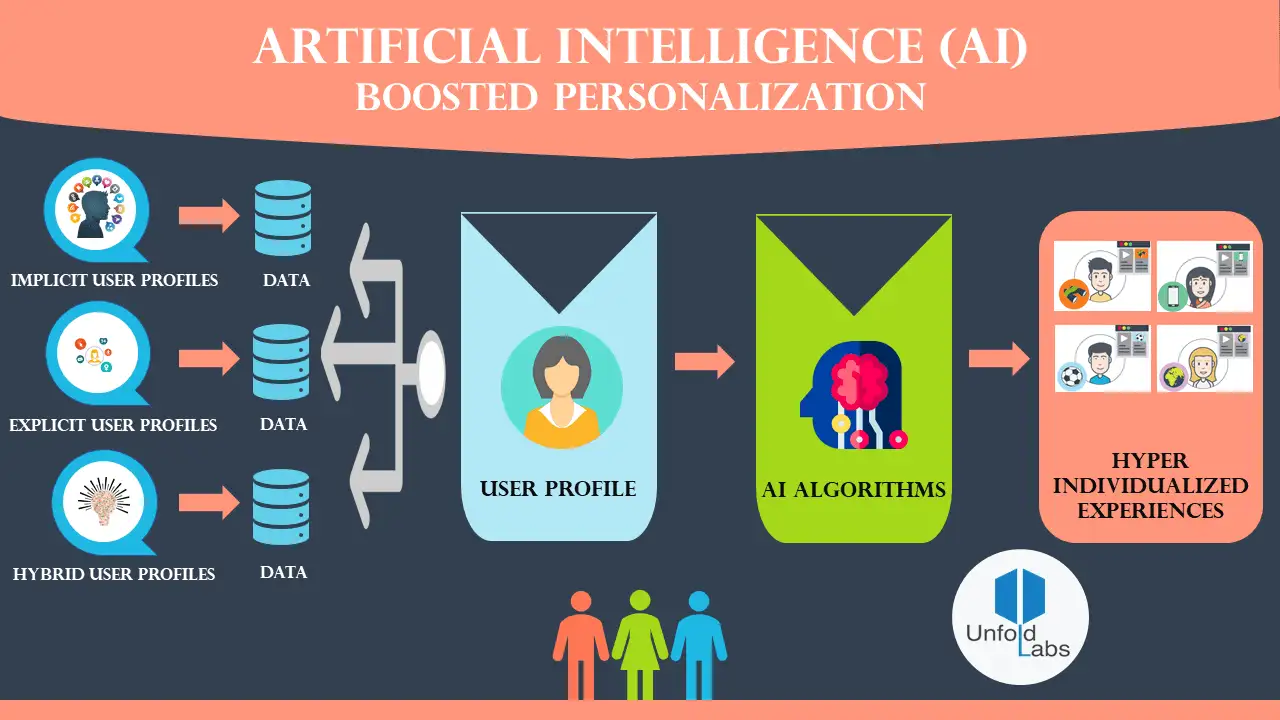
Personalized outbound at scale
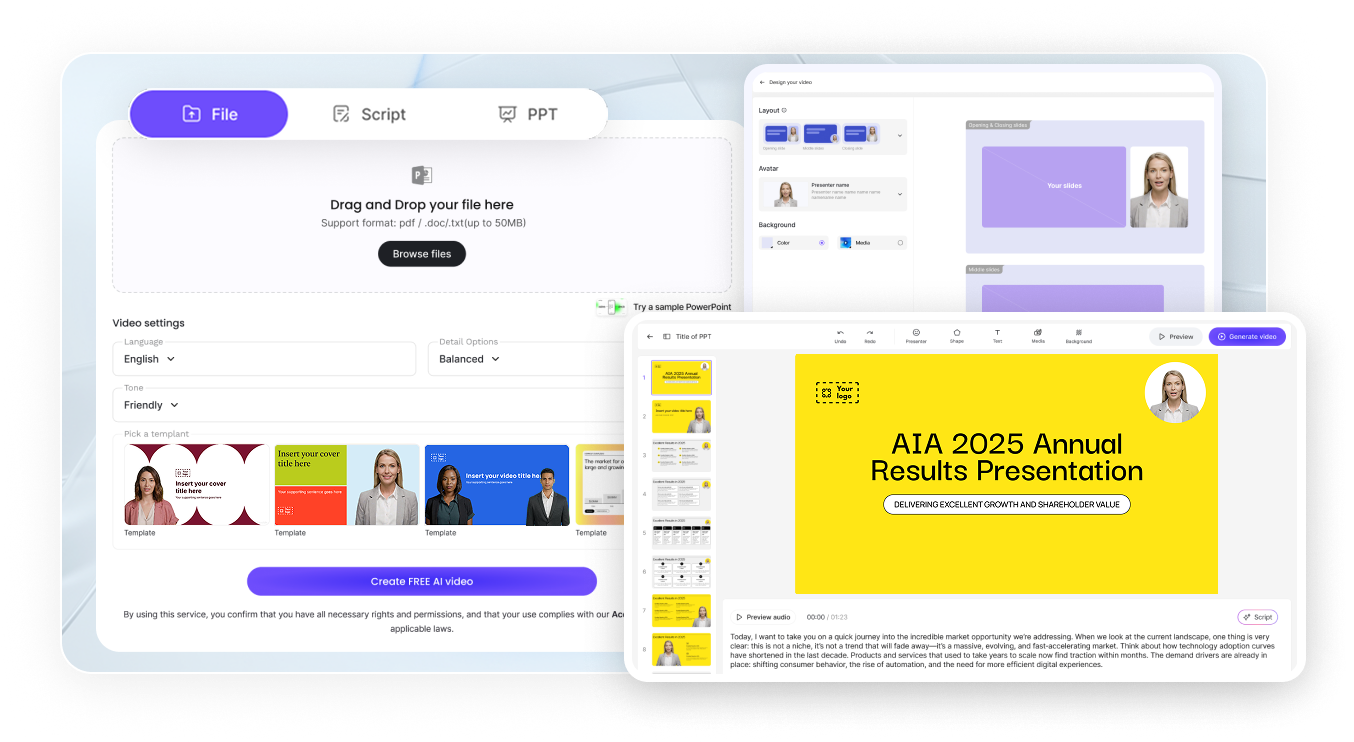
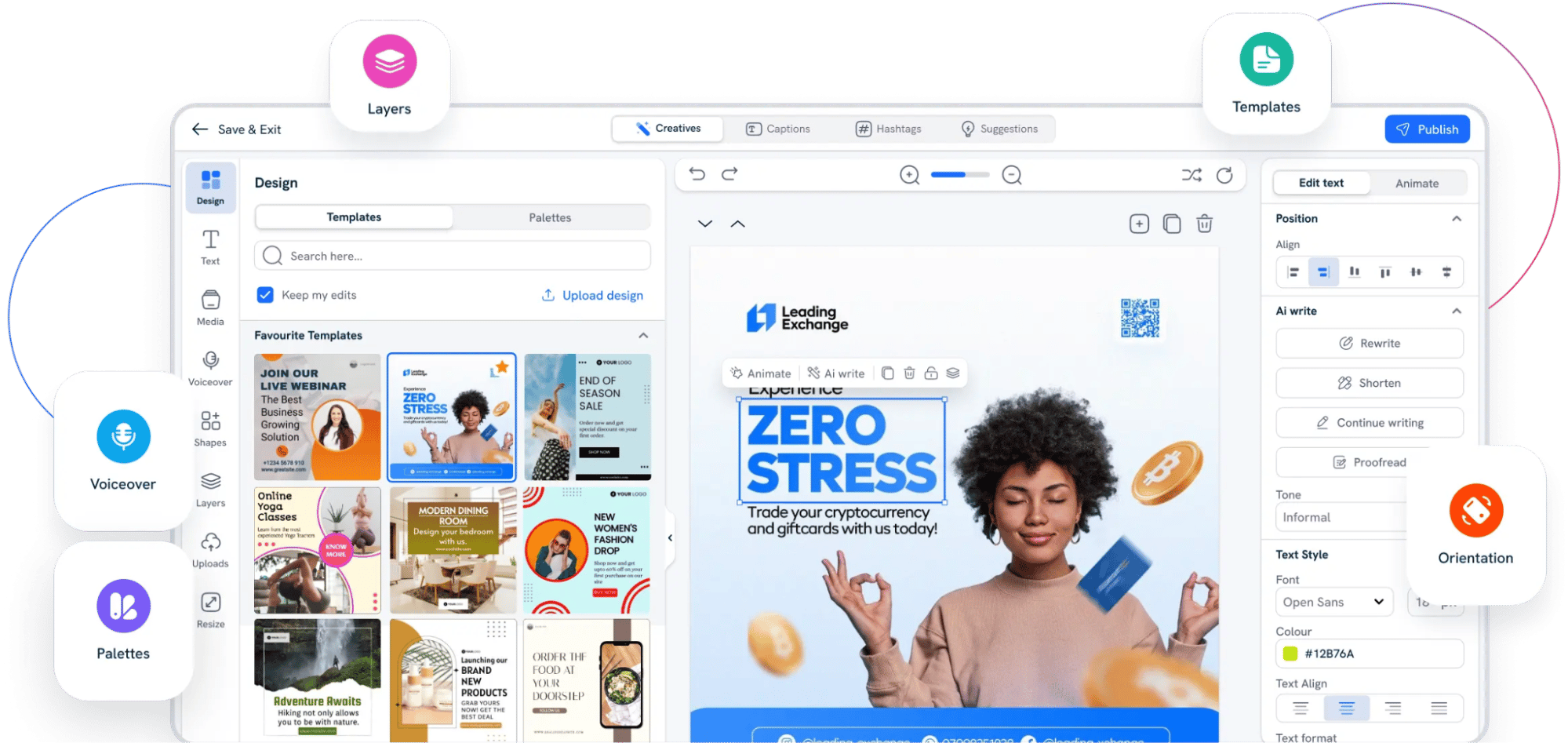
Content generation with context
Campaign optimization in real time
Tools
Salesforce Einstein
HubSpot
OpenAI API
Strategic shift
Marketing becomes a feedback system, not a broadcast channel
4. Data & Decision-Making → From Reports to Answers

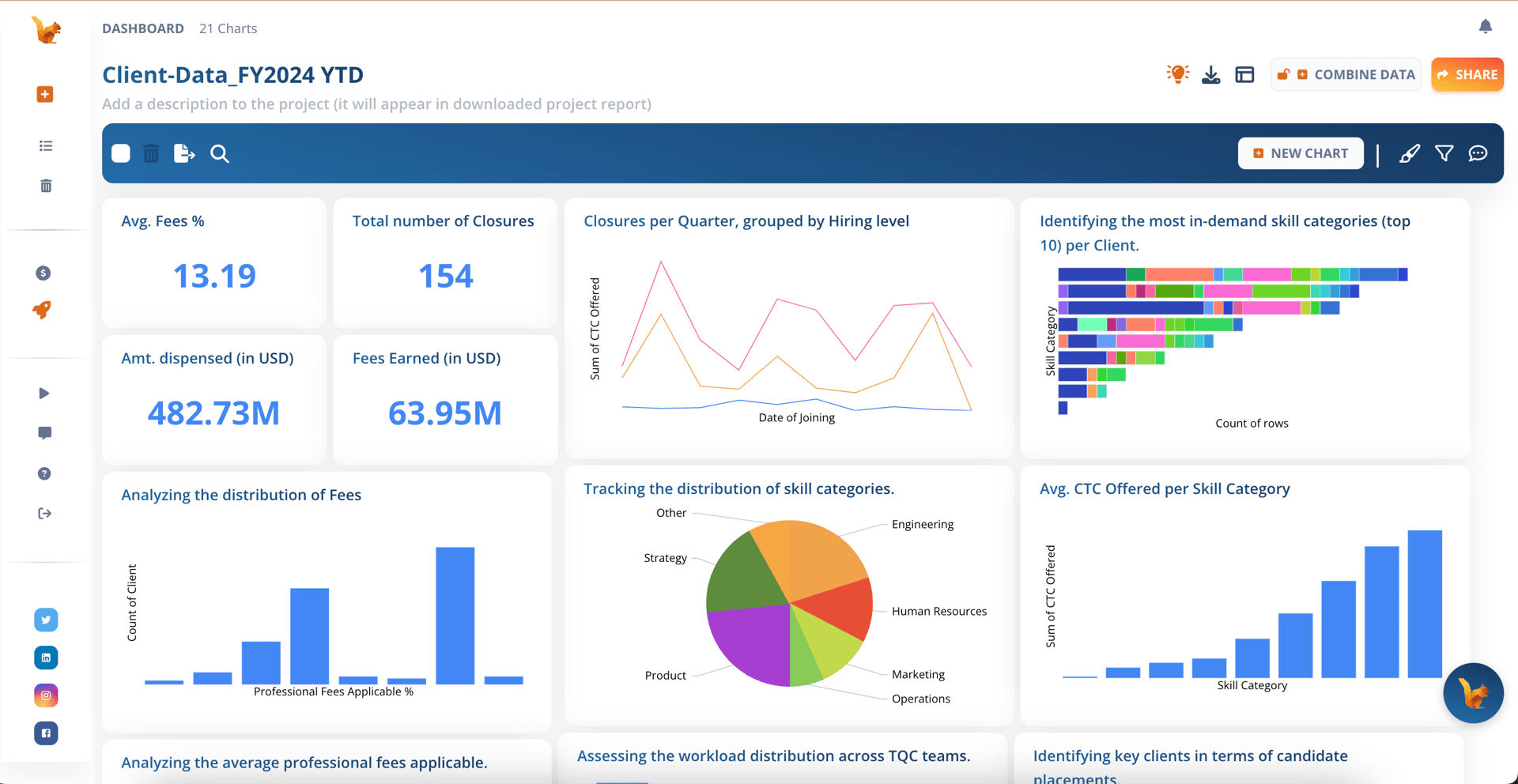

What’s happening
Dashboards are dying.
Interfaces are becoming question-driven systems.
Capabilities
Auto-generated insights
Natural language queries
Anomaly detection
Predictive forecasting
Tools
Power BI
Tableau
Strategic shift
Decision-making speed becomes a competitive advantage
5. Product & Engineering → Faster Cycles, Better Output
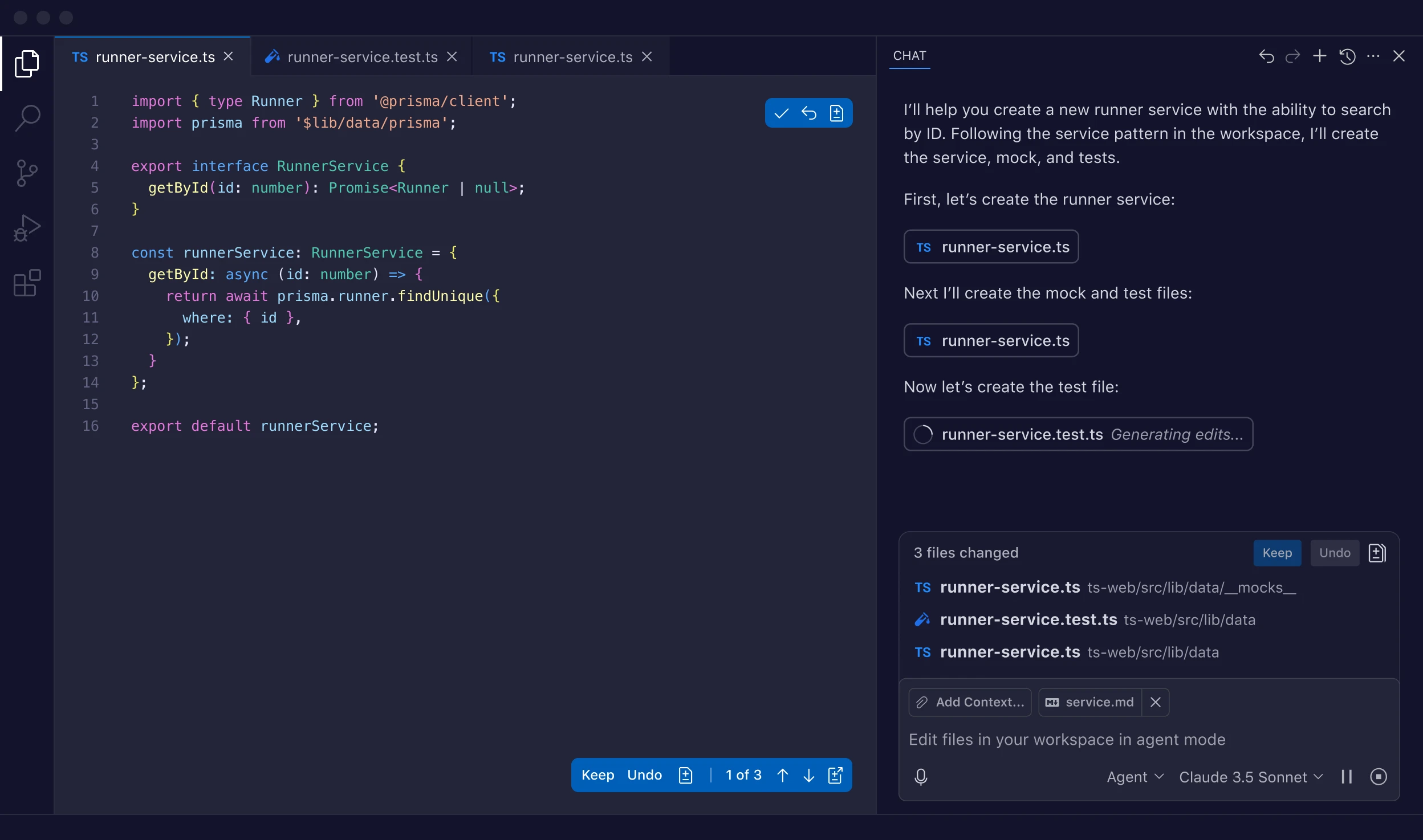



What’s happening
AI is compressing build cycles dramatically.
Use cases
Code generation
Debugging assistance
Documentation
Design exploration
Tools
GitHub Copilot
Strategic shift
Engineers spend less time writing code, more time designing systems
The Real Stack: How AI Is Actually Deployed
Most companies don’t build AI.
They compose it.
Layer 1 — Foundation
Cloud providers: Amazon Web Services, Google Cloud, Microsoft Azure
Layer 2 — Intelligence
APIs: OpenAI API
Models: TensorFlow, PyTorch
Layer 3 — Application
SaaS tools (CRM, support, marketing)
Layer 4 — Workflow (Most Important)
Your actual business logic
Your automation layer (e.g. n8n, Make)
Your data flows
This is where 90% of value is created—and where most companies fail.
A Practical AI Adoption Playbook (No Fluff)
Step 1 — Find “Stupid Work”
Look for:
Repetitive decisions
Manual aggregation
Copy-paste workflows
That’s your entry point.
Step 2 — Start With One System, Not 10 Tools
Bad approach:
“Let’s try 5 AI tools”
Correct approach:
“Let’s fully automate one workflow end-to-end”
Step 3 — Define a Hard Metric
Examples:
Time saved per task
Cost per lead
Support resolution time
If you can’t measure it, don’t automate it.
Step 4 — Build Human-in-the-Loop Systems
Full automation is overrated.
Best systems:
AI does first pass
Human approves / edits
System learns
Step 5 — Turn It Into a Flywheel
Once one workflow works:
Standardize it
Template it
Scale it
That’s how AI compounds.
The Bottom Line
AI is not a trend.
It’s a new operational primitive.
The winners won’t be the companies with:
The most models
The biggest budgets
They’ll be the ones who:
Identify leverage points faster
Build tighter systems
Compound small efficiencies
The Only Question That Matters
Where in your business is intelligence being wasted today?
That’s where AI starts.